


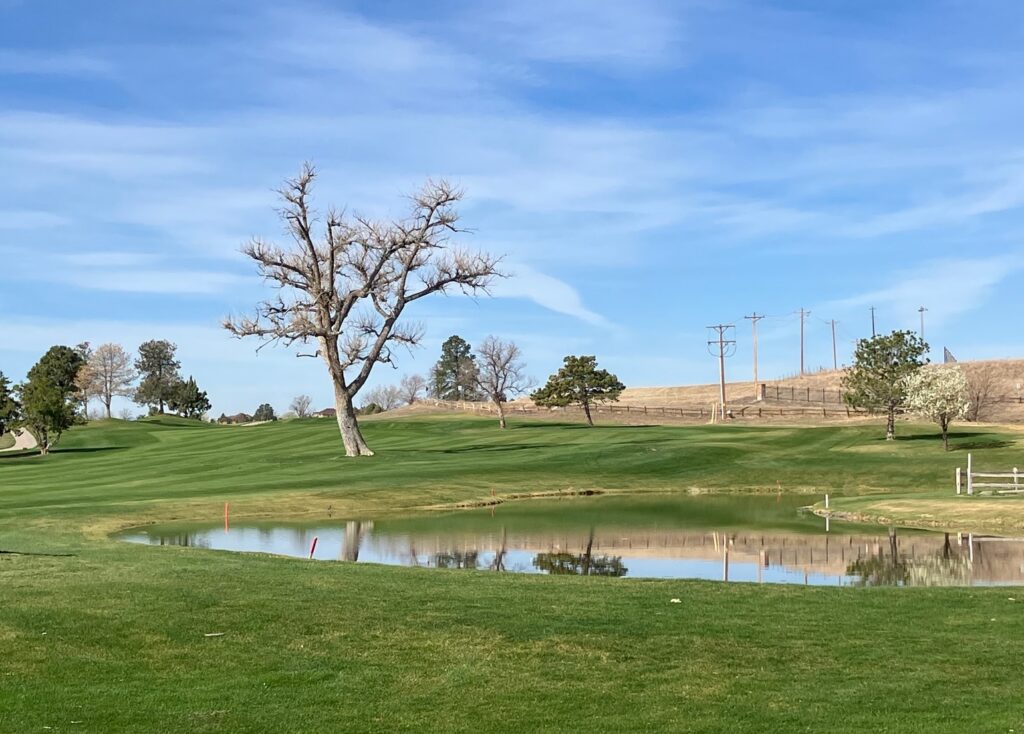
After a near-record warm and dry winter — and a very high amount of ‘off-season’ play — it’s not business as usual for Colorado golf courses
By Gary Baines – 3/30/2026
Just about every Coloradan who has paid any attention can tell you at this point that the state has been enduring one of the driest and warmest winters and early springs in recorded history.
But, specifically regarding how that relates to Colorado golf, this particular statistic particularly hits home.
On Friday, the National Golf Foundation and Golf Datatech released their most recent monthly rounds played report — and it’s a doozy when it comes to the Centennial State. Through the first two months of 2026, the number of golf rounds played in Colorado skyrocketed 158.8 percent compared to the same period in 2025. Mind you, that’s not 8.8 percent up, or 58.8 percent, but 158.8 percent.
Now, the number of winter golf rounds vary considerably in Colorado year to year, given that we could have anything from sunny and 70 degrees to a couple feet of snow on any given winter day in the state. But even at that, in the 2020s the most extreme increase or decrease in Colorado golf rounds played in January and February from one year to the next had been 72.7 percent — until this year, when the change was more than double that amount. (Nationally, rounds through the first two months of the year are up 11.1 percent compared to 2025. Only one state that reported had a bigger percentage increase in rounds played in January and February vs. those months last year: Illinois, which went up 195.8 percent.)
“We’re getting just hammered” by the dry, warm weather, Whitey O’Malley, who with his wife Lanna owns Saddleback Golf Club in Firestone, said in a recent phone interview. “I think everybody is getting hammered with the wind, high temperatures and the lack of moisture — a trifecta, right? … If courses aren’t planning in the state of Colorado for what’s coming, oh boy.
“This drought is everything right now, right? It’s the last thing you think of when you go to bed and the first thing you think of when you wake up anymore, and we’re on the front lines of it here” with Colorado golf courses.


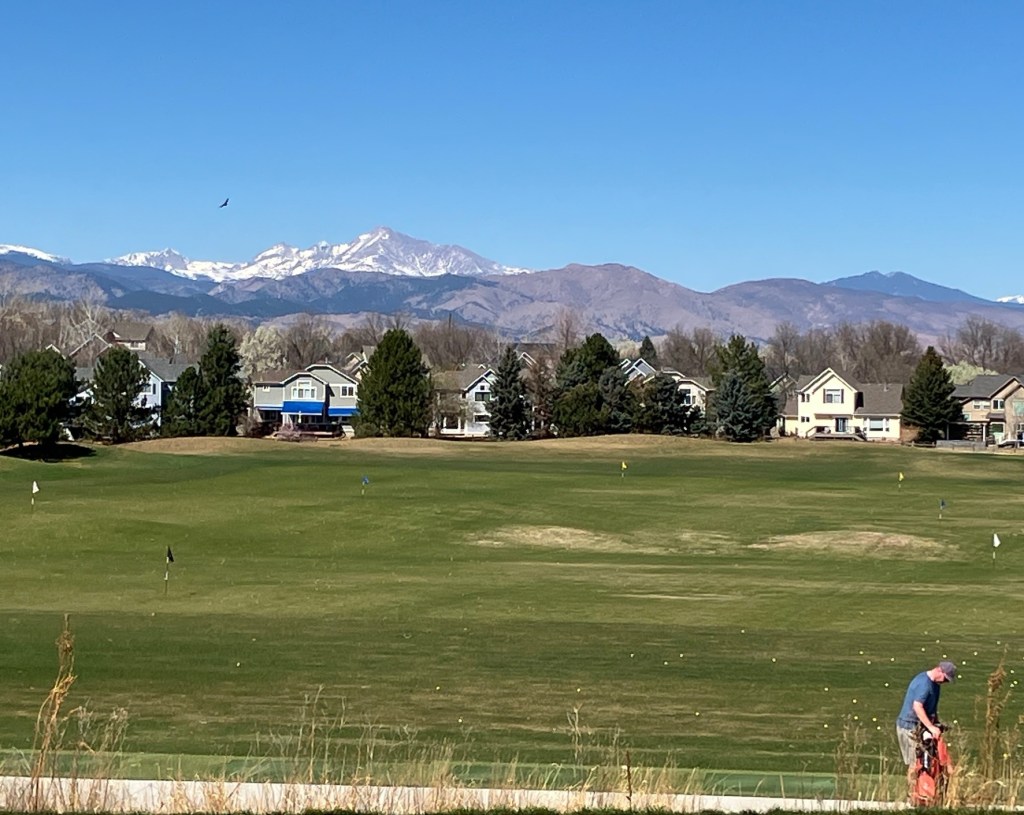
The driving range at Indian Peaks Golf Course in Lafayette.
Indeed, according to the National Weather Service, only about 13.4 inches of snow fell in the Denver area from September through February — the lowest total since precipitation records started being kept in 1872 — and about 38.5 percent of average. The period from December through February was also the second-warmest on record in Denver.
That has prompted many golf courses to be proactive during the winter and early spring to keep them highly playable while reducing wear and tear on the turf. Among the steps some courses have taken are:
— Restricting play to walking-only on certain days and/or reducing the use of golf carts — to protect turf at a time of year when it’s less resilient. For instance, City of Denver golf courses were walking-only every day until March 27.
— If they are allowing carts, some are limiting them to cart paths only.
— Reducing the number of tee times by expanding the time intervals, and sometimes starting the tee-time window later in the morning.
— Closing putting greens certain days of the week.
— The City of Denver golf courses are required to reduce water use at least 20 percent — the same requirement as all Denver Water customers. According to Denver.gov, the courses use a variety of irrigation water sources including effluent, raw, potable, well, and ditch. Some Colorado courses utilize targeted watering of certain areas of the course to reduce usage.
— Some facilities are still using artificial-grass mats for tee shots on par-3s.
It should be noted that as much as Colorado golf rounds as a whole soared in January and February compared to those months in 2025, rounds at Denver courses jumped even more — by 177.1 percent.
CGA-owned CommonGround Golf Course of Aurora, typically one of the busier courses in the Denver area, certainly has been among those which adjusted practices as the drought has taken hold.
“We are definitely dealing with a winter and early spring that will be one for the record books,” Mitch Savage, CommonGround’s director of agronomy, said recently via email. “We were proactive during late fall 2025 and continued watering the golf course as needed throughout the winter months. Based on lessons learned in previous years, last fall we were more aggressive with aeration, seeding, top-dressing and covering ‘trouble’ areas with straw to promote spring germination and recovery in high-traffic areas. Agronomically speaking, CommonGround fared very well coming out of this dry, warm winter.
“However, we were also proactive throughout the winter regarding wear and tear from increased play due to the warm weather. We were vigilant about a few specific things that have helped us avoid being too worn down at the start of season. We regularly filled tee and fairway divots, used many ropes and stakes to keep golfers out of certain areas, and employed a couple of different cart restrictions. We started a cart-path-only policy in mid-November and even needed to switch to a walking-only policy from mid-February until mid-March. Now, we are back to cart-path-only until April 1.”

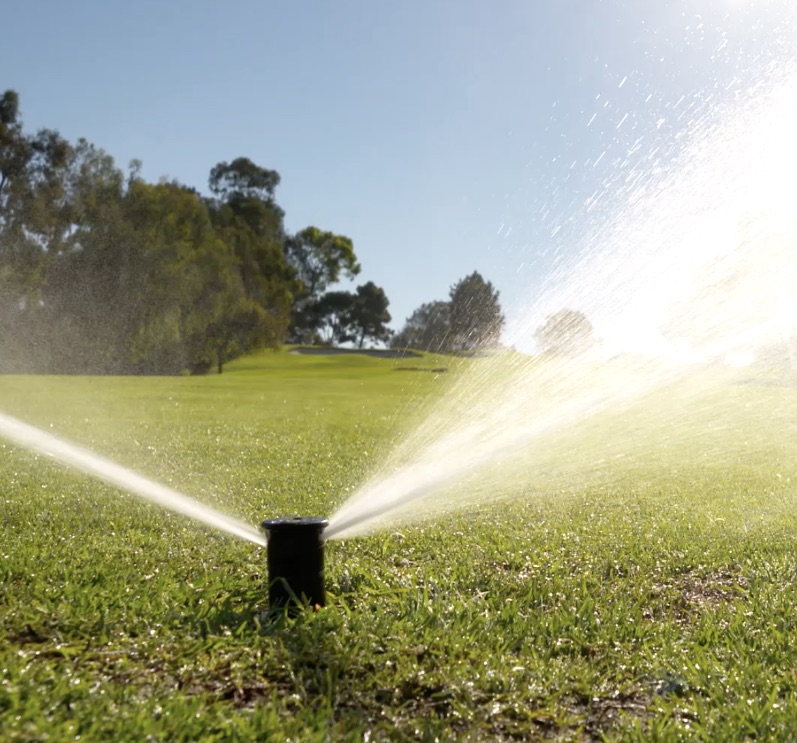
CommonGround utilizes recycled water for all of its course irrigation — similar to City Park Golf Course in Denver.
According to the Colorado Golf Coalition, in 2018 32 percent of Colorado golf courses used reclaimed water to irrigate, more than double the national average. In the Denver metro region, the percentage was even higher, at 39.3 percent in 2018.
Golf course irrigation tends to be managed more efficiently than most residential lawns. For example, Denver Golf said it uses 20 percent less water than a typical bluegrass lawn — based on the same size of irrigated area.
Overall, golf courses in Colorado utilize less than 1 percent of the state’s annual water consumption, according to the Colorado Golf Economic & Environmental Impact Report that was released in 2021.
About the Writer: Gary Baines has covered golf in Colorado continuously since 1983. He was a sports writer at the Daily Camera newspaper in Boulder, then the sports editor there, and has written regularly for ColoradoGolf.org since 2009. The University of Colorado Evans Scholar alum was inducted into the Colorado Golf Hall of Fame in 2022. He owns and operates ColoradoGolfJournal.com